


What Copenhagen Is Telling Us About the Future of Luxury Design
Design inspiration can come from anywhere, but there is something particularly valuable about stepping outside of our own markets and seeing how designers in other parts of the world are thinking about space, material, comfort, and the way people live.
Studio IDC Chief Creative Officer Todd Tyler traveled to Copenhagen this summer for 3 Days of Design, one of the international design community’s most anticipated annual gatherings. He shared his observations from the experience in a recent article for Stacy Garcia.
What stayed with us after Todd returned was not a particular product, color, or material. It was a broader shift in the conversation around modern design.
Modernism is becoming more human.
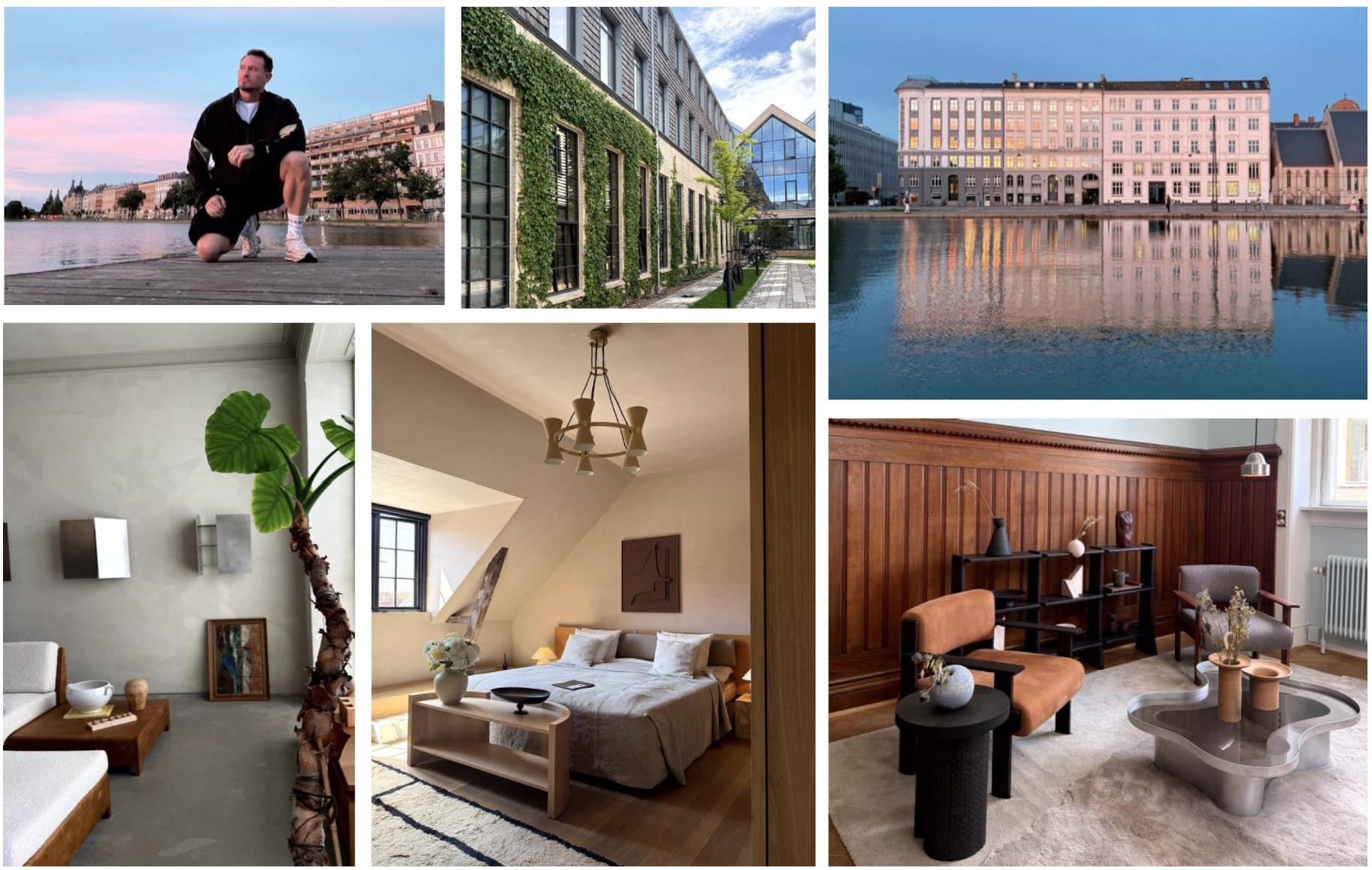
A Softer Side of Modernism
For years, contemporary luxury was often associated with restraint. Clean architecture, minimal furnishings, hard surfaces, and spaces that were meticulously composed.
That aesthetic is evolving.
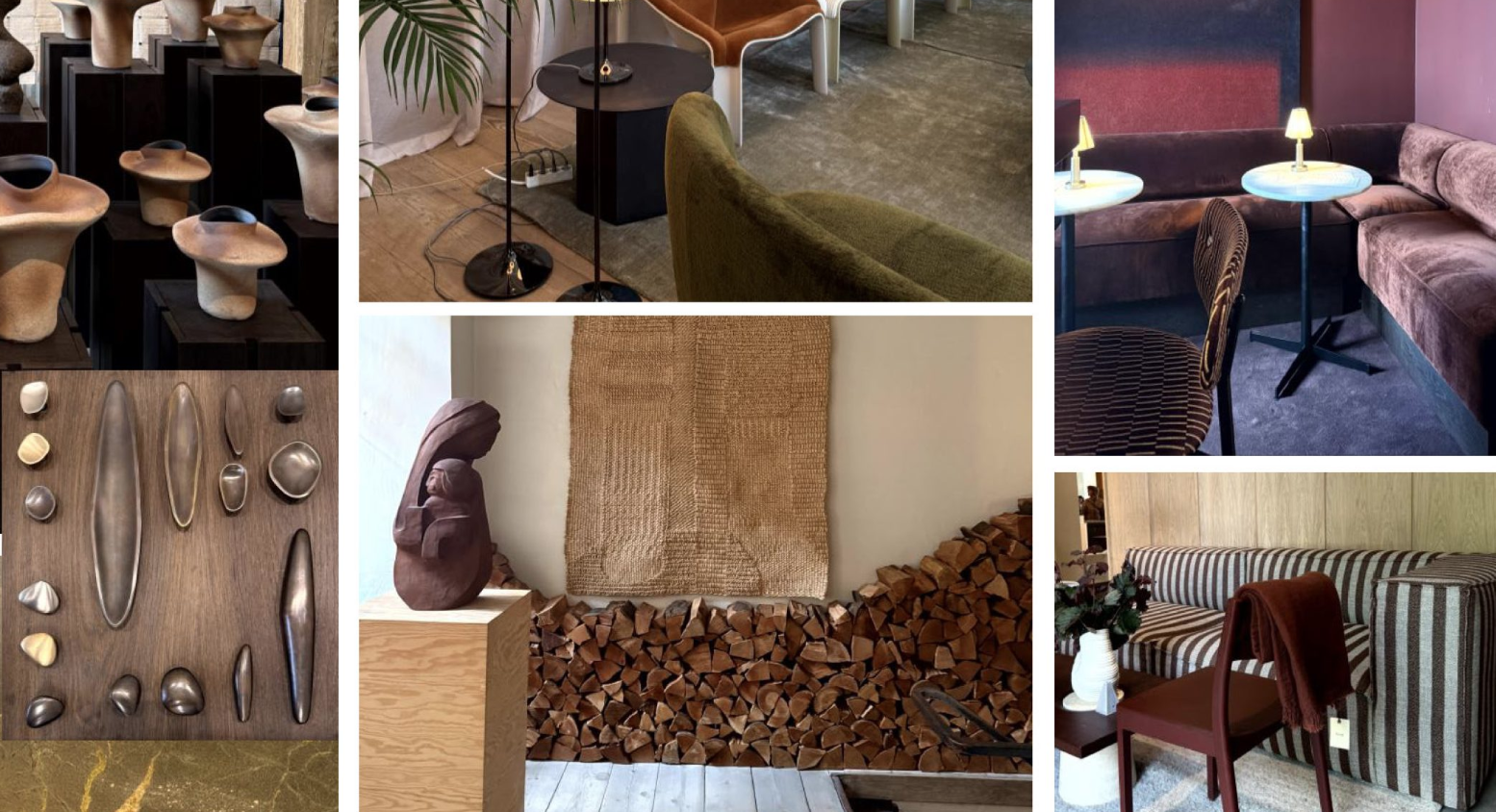
The modern interiors Todd encountered throughout Copenhagen felt warmer and more personal. There was still a clarity and simplicity to the design, but it was balanced by natural materials, texture, craft, softer forms, thoughtful lighting, and a greater sense of ease.
The result was modern without feeling austere.
This idea resonates with us because we increasingly see the same desire among our own hospitality and residential clients. People still want spaces that feel sophisticated and considered, but they also want to feel comfortable in them.
A beautiful room should invite you in, not ask you to admire it from a distance.
Experience Is Becoming the Measure of Luxury
One of Todd’s observations from Copenhagen was simple:
“Comfort is becoming the luxury.”
We think there is something important in that statement.
Luxury is becoming less about how much is placed into a space and more about how thoughtfully everything works together.
How does the lighting change throughout the day?
How does a chair actually feel after sitting in it for an hour?
What materials do you touch?
Where does your eye naturally travel?
How does the interior connect to the landscape beyond it?
And perhaps most importantly, how do you feel when you are there?
These questions are especially relevant to our work in resorts, vacation residences, and coastal homes, where design is inseparable from experience.
Bringing Nature Into the Conversation
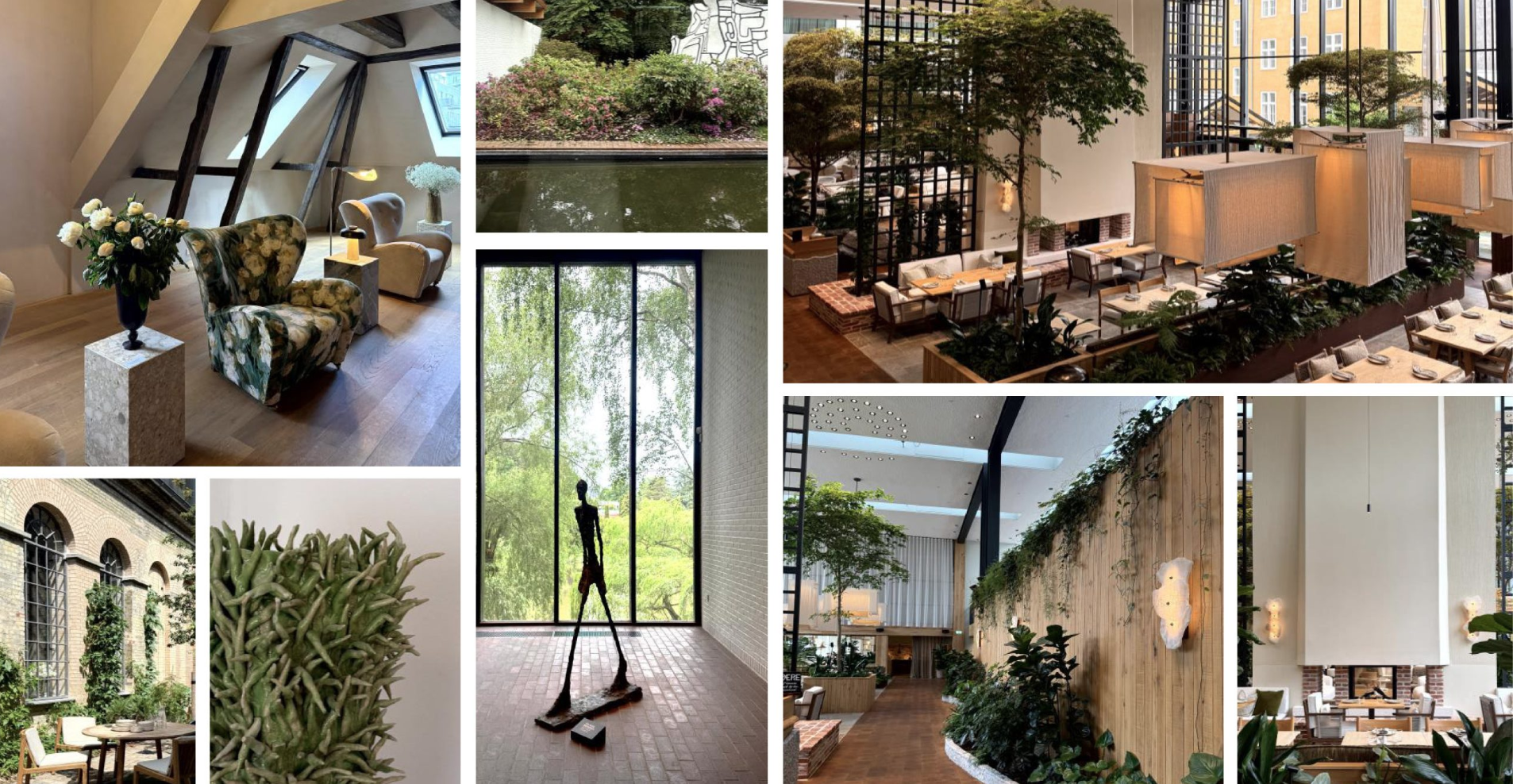
Another recurring theme in Copenhagen was the relationship between interiors and the natural world.
This goes beyond simply incorporating plants or natural materials. It is about creating spaces that feel connected to their surroundings through light, texture, views, organic forms, material choices, and movement between indoors and out.
For Studio IDC, this is a particularly familiar conversation.
Much of our work is located throughout South Florida and the Caribbean, where the landscape is often one of the greatest assets of a property. The architecture and interiors should respond to that environment rather than compete with it.
In the Caribbean, that relationship can become even more pronounced. Many spaces are partially or completely open air. Materials must respond to salt, humidity, intense sunlight, and tropical weather. Indoor and outdoor living often overlap.
Creating something beautiful is only one part of the equation. Understanding how it will live in its environment is equally important.
Design That Feels Collected, Not Manufactured
There was also a strong appreciation in Copenhagen for craftsmanship and objects that carry a sense of individuality.
We see this as part of a larger movement away from interiors that feel overly coordinated.
The most interesting spaces are often layered over time. They combine materials, art, objects, custom pieces, vintage elements, and contemporary furnishings in ways that feel intentional without feeling prescribed.
Hospitality design is moving in this direction as well.
Travelers increasingly want properties with a distinct point of view and a connection to place. A resort should not feel as though it could have been installed anywhere in the world.
The same is true of a home.
The goal is not simply to fill rooms. It is to create an environment with personality, context, and a sense of belonging.
Looking Beyond Trends
International design events are valuable because they expose us to new ideas, but the objective is never to bring a trend home and reproduce it.
The more interesting question is what those ideas tell us about how people want to live.
What Todd saw in Copenhagen reinforces something we have believed for a long time at Studio IDC: good design is not simply visual.
It is experiential.
It is the relationship between beauty and comfort, architecture and nature, creativity and practicality, and the story of a place and the people who experience it.
Those ideas feel particularly relevant as we look toward the next generation of luxury hospitality and residential design.
.